
OUR FISRT MEDICINE
Movement
Movement is not about fitness.
It is about feeling human again.
We often think of movement as something we should do for health, for performance, or for discipline.
But before all of that, movement is something we are built for.
It’s how the body:
Processes stress
Regulates emotion
Creates clarity
Reconnects mind and body
When movement disappears, things do not just get “less fit” they become; heavier, noisier and harder to navigate.
Movement doesn’t fix everything.
But it creates the conditions where things begin to shift.
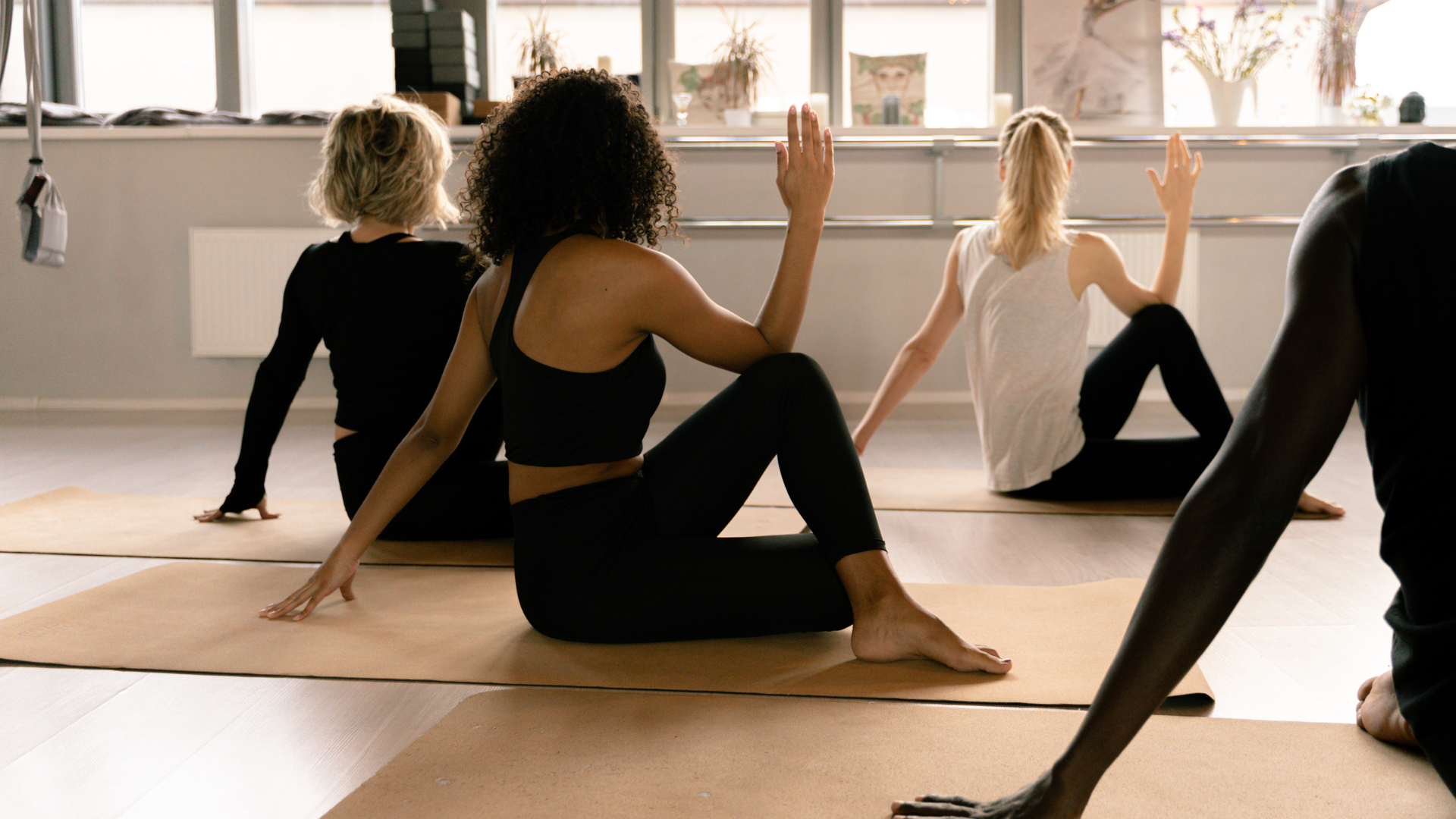
The question is not “How hard should I train?”
It is “How do I start reconnecting?”

A different relationship with movement
We do not approach movement as performance, nor do we measure it by intensity, discipline, or output. Our approach is to use it as a tool for regulation and reconnection.
That means:
No pressure to perform
No “all or nothing” mindset
No optimisation culture
Instead, we focus on:
What feels accessible
What feels sustainable
What meets you where you are
Movement becomes something you return to, not something you chase.
Movement does not exist in isolation.
It connects with:
How you think (mindset)
How you live (lifestyle)
How you fuel yourself (nutrition)
Who you’re around (community)
We work across all five and movement is where change begins.
What does this actually look like in real life?
It starts smaller than you think.
This is not about training plans or perfect routines.
It’s about bringing movement back into everyday life.
That might look like:
Walking instead of sitting
Cycling instead of driving
Stepping outside when your head feels full
Moving gently when everything feels heavy
There’s no perfect version.
There’s just a starting point.

Over time, people begin to notice:
More mental clarity
Less internal pressure
A calmer baseline
A stronger connection to their body
Not because they pushed harder; because they stayed consistent.
Research consistently shows that regular movement is linked to:
Improved mood and emotional regulation
Reduced symptoms of anxiety and depression
Better cognitive function
Large-scale studies also suggest that everyday movement,
especially forms that involve attention and coordination, like cycling;
may support long-term brain health and memory.
Movement is not something you do to improve your life. It is something you use to come back to it.
If you want to understand more, the science is there; however this is not where you need to start.

The science behind movement and mental health
Movement influences both brain and body in measurable ways.
It affects:
Stress regulation systems
Neurotransmitters like serotonin and dopamine
Blood flow and brain plasticity
Areas linked to memory, including the hippocampus
Long-term research continues to show strong associations between movement and mental wellbeing.
But it’s important to be clear:
Movement is supportive, not a cure.
It works best as part of a broader approach to wellbeing.
For those who want to go deeper
Foundational Research
Mental Health Foundation — Movement & Mental Health
World Health Organization — Physical Activity Guidelines
NIH / PubMed — Movement & Brain Health Research
Accessible & Practical
Harvard Health — How Movement Supports Mental Health
Mental Health NZ — Guide to Starting Movement
You do not need to understand all of this to begin.
You just need a place to start.

To honour and care about
The Human Behind the Athlete.


QUICK LINKS
© Copyright 2026. Mark Ewing's Account. All Rights Reserved.